
Zisha vs Ceramic Wares: Texture, Porosity and Tea
Compare earthy zisha and bright ceramic glazes through our own photographs. Explore porosity, tea-and-clay pairing and practical choices for daily tea and gifting.
At a glance: Start with the tea you drink most. Check the inside of the pot, how it feels in your hand and how you will wash it. Try bare zisha for a tea you brew often. If you switch teas a lot, start with a glazed interior that is easy to clean.
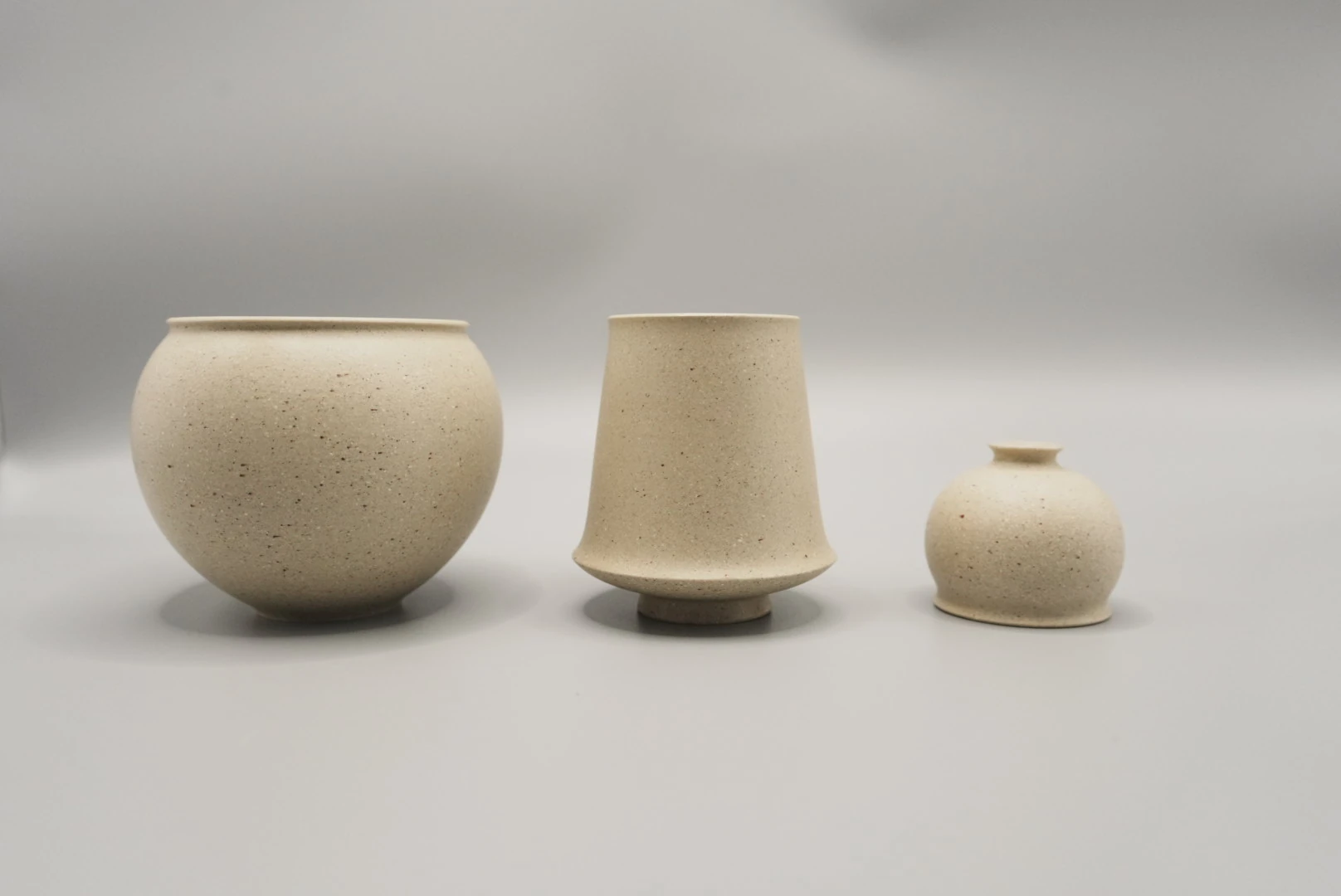
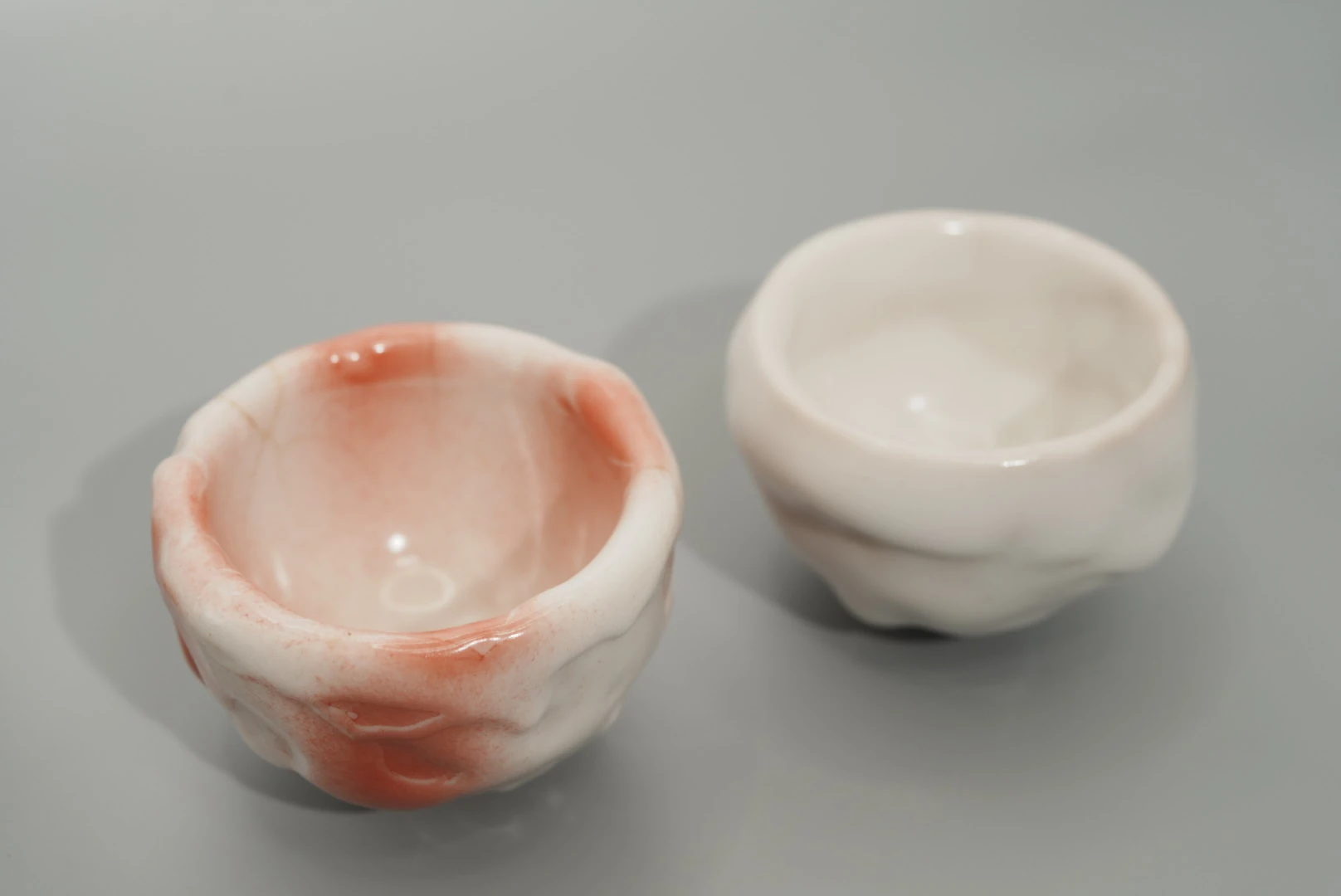
Zisha is a type of clay traditionally used for teaware in Yixing. It often shows earth tones and a fine surface texture. Threefold Harmony (T01) and Among the Branches (T04) show two zisha forms, while Petal Ripples (T06) and Shimmer (T07) offer examples of glazed finishes.
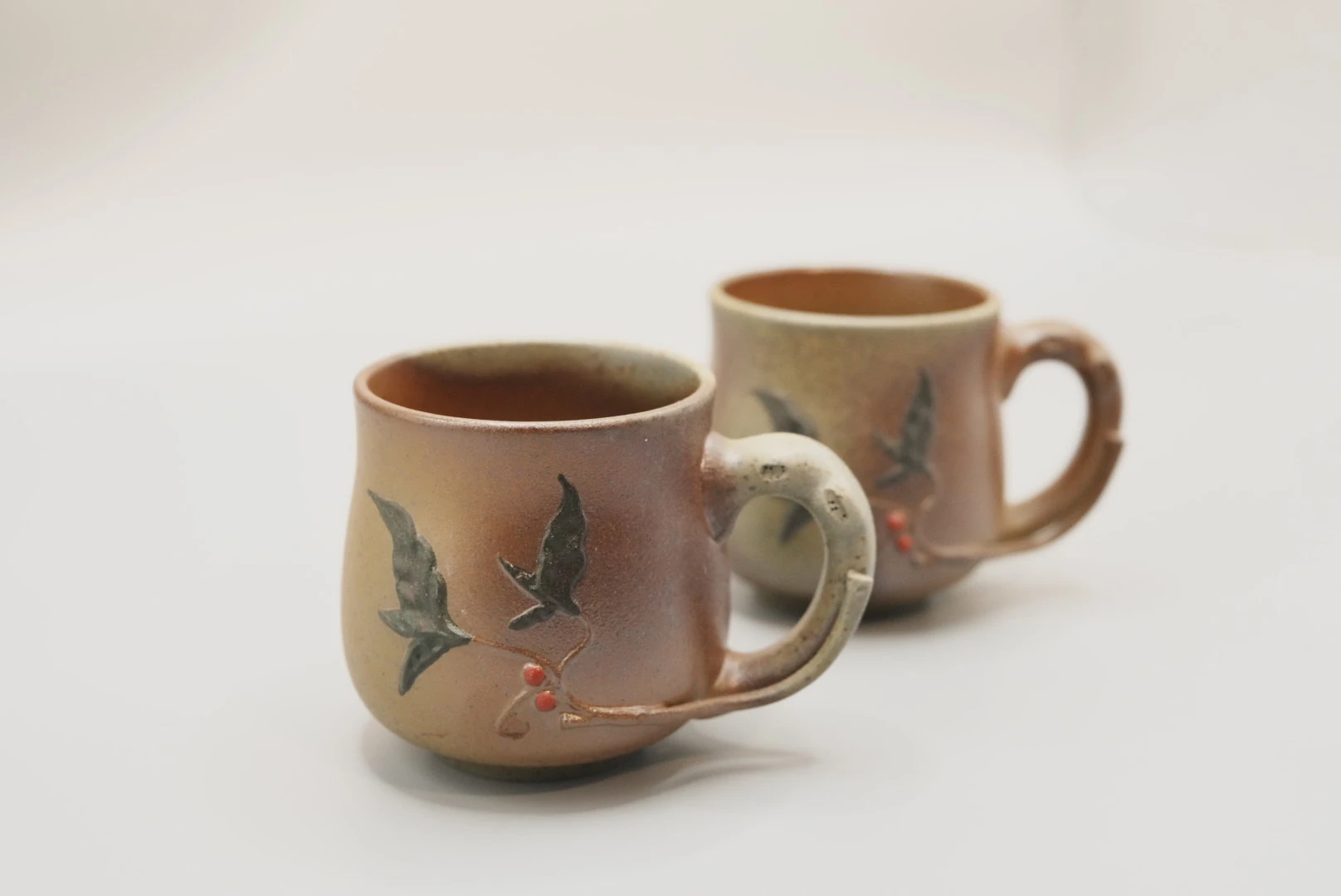
Zisha can take many shapes. T01 has a light earth tone. T04 has a botanical design. Summer Melon (T05) pairs pale green glaze with a melon motif.
Matt and glossy tell you how a surface looks. Both zisha and other ceramics can have a glaze. Check the finish on the piece you want, especially on the inside.
Original photographs: Threefold Harmony T01 zisha on the left; Petal Ripples T06 ceramics on the right.
Selection notes
- Earthy texture and bright glaze offer different aesthetic directions; either can suit a traditional or contemporary setting.
- Zisha's pore structure deserves attention, but “breathable” does not mean better tea in every case or less need for cleaning.
- For brewing pots, consider your tea, usable capacity, leaf expansion and pouring. For drinking cups, focus on the rim, handling and serving volume.
- One favourite name or code is enough to start an enquiry. Selection and quantities can follow through conversation.
Explore: Texture and style · Side-by-side comparison · Porosity · Tea and clay pairing · Choosing by use · More zisha designs · Selection and custom finishes
Earthy texture and bright glaze in everyday settings
Zisha has more to offer than the word “purple” suggests. Yixing wares can show a range of earth colours and surface qualities. The Philadelphia Museum of Art's Yixing teapot record describes warm earth tones and a slight sheen even without glaze. There is no need to limit a zisha selection to purple or expect every surface to be completely matt.
Earth colours and fine texture can sit comfortably beside wood, linen and stone, creating a visual connection to nature and the ground beneath us. That is an aesthetic choice, equally possible in a simple contemporary room or a traditional tea space.
Threefold Harmony (T01) has a pale earth tone and fine specks. The bowl has a soft curve. The cups have rims and heights that give the set some variety.
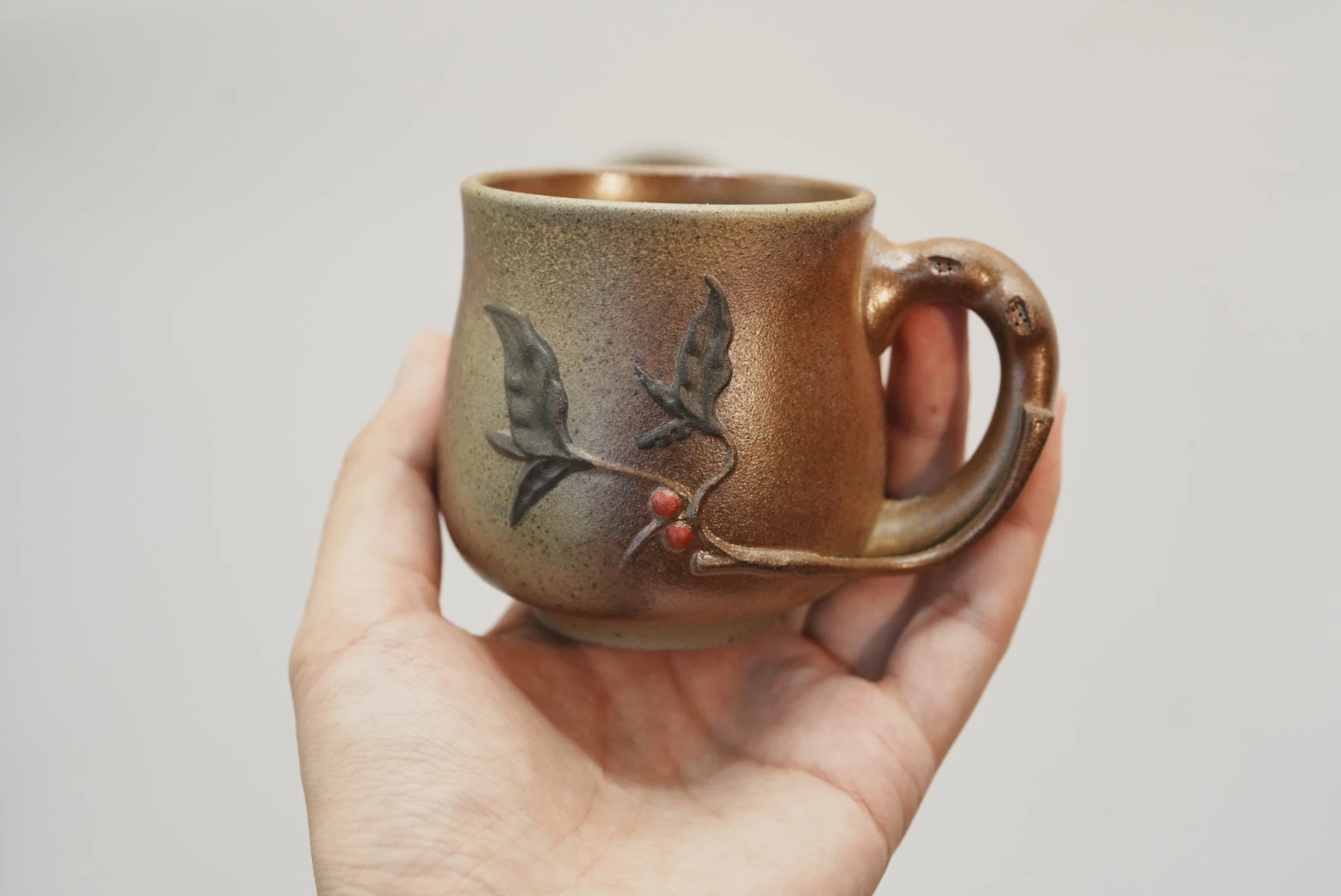
Among the Branches (T04) offers a deeper earth-toned direction, with leaves and fruit decorating the cup bodies. Beside the paler Threefold Harmony group, these zisha cups bring a warmer colour and more visible decorative detail into the selection.
Glaze adds another layer of expression. The National Gallery of Victoria's Chinese Ceramics Throughout History explains glaze as a thin glassy layer formed during firing, with colour and effect influenced by its composition. Pale, dark, mottled or reflective surfaces can give related forms quite different visual qualities.
Petal Ripples (T06) has pink and white glaze and soft rims. Summer Melon (T05) has a pale green glaze over zisha. Put a sample beside the cups or plates you use most and see how the colours work together.
Threefold Harmony and Petal Ripples, side by side
| What to look at | Threefold Harmony T01 · Zisha | Petal Ripples T06 · Ceramic |
|---|---|---|
| Overall colour | Related pale earth tones give the group a unified appearance. | Pink and white create a soft contrast. |
| Surface character | Fine speckles and texture are visible in the photograph. | Glaze colour, reflected highlights and changing contours are visible. |
| Relationship between forms | A round bowl, tall cup and small cup offer different outlines and heights. | The cups have soft outlines and gently irregular rims. |
| A starting selection question | Do earth tones and several distinct forms suit the range you have in mind? | Does the pink-and-white relationship work with the soft contours you prefer? |
| What to explore with a sample | Grip, weight, feel, intended use and care. | The same practical details, along with the glaze under your lighting. |
We took the photos separately to show the shape and finish of each set. To compare colours, look at both samples under the same light and next to your display materials.
What does zisha “breathability” mean?
Understanding zisha pores
From material to everyday use
- Clay bodyPores vary with clay and firing
- SurfaceCheck the interior that touches tea
- Daily useChoose for your tea habits and clean promptly
In everyday teaware language, zisha's “breathability” usually refers to the fine pores remaining in the fired body. How many pores remain and how they connect depend on the clay, the firing and the finish.
A 2025 study by Wang and Zhu in the Journal of Ceramic Science and Technology compared fired specimens of four Yixing clays. Their pore distributions and porosities differed. That finding supports variation between zisha bodies, rather than one shared specification for every finished pot.
Porosity tells you how much space in the clay is open. Gas permeability tells you how well gas can pass through connected pores. Visible grains or the presence of pores do not establish a pot's airflow, guarantee better flavour or keep tea safe overnight. You cannot judge those properties by blowing into a pot or feeling its surface.
Look inside the pot first. Is it glazed? How will you clean it? If you brew a different tea most days, try a fully glazed interior. Ask how to wash the piece before you buy it.
Does one pot need to stay with one tea?
Keeping an unglazed zisha pot for a related style of tea is a common practice. TeaSource's Yixing care guidance also recommends dedicating a pot to one tea type. Begin with what you drink most; you do not need to buy many pots to get started.
A light oolong and a dark roast can smell and taste quite different. Start with the one you drink most. If you often brew scented blends as well as plain tea, try a glazed pot that is easy to wash.
Which teas suit which zisha pots? Start with a pairing, then taste
Find your tea and pot
- Your teaStart with a familiar tea and flavour
- Choose a potConsider volume, opening and pour
- Brew and compareUse similar tea, water and timing
- Notice the resultRecord aroma, taste and handling
Choose the tea you drink regularly, then try clay, shape and brewing method together. There is no universal rule that one clay must brew one tea. Roast, age, aroma and leaf quantity vary; pots with the same clay name are not identical brewing tools.
Teaware merchant MudandLeaves explicitly presents its Yixing pairing guide as personal taste. These starting directions are practical preferences, not a scientific ranking of materials.
| Your usual tea | A starting comparison | What to notice when tasting |
|---|---|---|
| Light, fragrant oolong, such as Taiwanese high-mountain tea | Include a zhuni pot in your trial. | Clarity of the aroma and room for rolled leaves to expand. |
| More roasted oolong or fuller aged white tea | Try a zini pot. | Balance of roast and sweetness; avoid over-concentration. |
| Ripe puerh | Compare zini and duanni pots. | Whether the texture suits you and the pot empties cleanly. |
| Fresh green tea, new Silver Needle or new White Peony | Establish a familiar taste in porcelain or glass first. | Water temperature, infusion time and fresh fragrance. |
Get to know your black tea or raw puerh in the pot you use now. Then try the same tea in a zisha pot. Note what changes and which cup you prefer.
Zhuni, zini and duanni are clay names used in the pairing examples. They do not identify the clay in our pictured pieces. Tell us which tea you brew and what kind of pot you like.
Make a sample comparison useful
Use the same tea, dose, water, temperature and brew time in both pots. Smell each cup, then taste it. Try a few rounds. Change just one thing at a time so you can tell what made a difference.
Record usable brewing volume and the time needed to pour out fully. A brim-full capacity is not the amount available for sharing after adding leaves, and a slow pour extends contact between tea and water. Judge the whole pot rather than attributing every difference to clay. Rolled oolong needs expansion space; long leaves also make the opening and ease of removing leaves worth checking.
Look at form, forming and decoration separately
One material can take many shapes, and related shapes can carry different finishes. Separating how a form is made from how its surface is expressed makes it easier to describe the details you like.
The V&A's Exploring Ceramics introduces forming and surface techniques separately. For example, slab-building joins sheets of clay to construct a form, while slip-casting uses liquid clay poured into a mould. Glazing adds a surface treatment. These are examples of processes; the making information for a particular design can be discussed during selection.
An irregular rim, a textured finish or a neat outline is only part of an object's appearance. No single feature describes its whole making process. Rather than putting every piece into a simple “handmade” or “mass-produced” group, explore the material, forming and finishing information for the design, including the variations to expect between pieces.
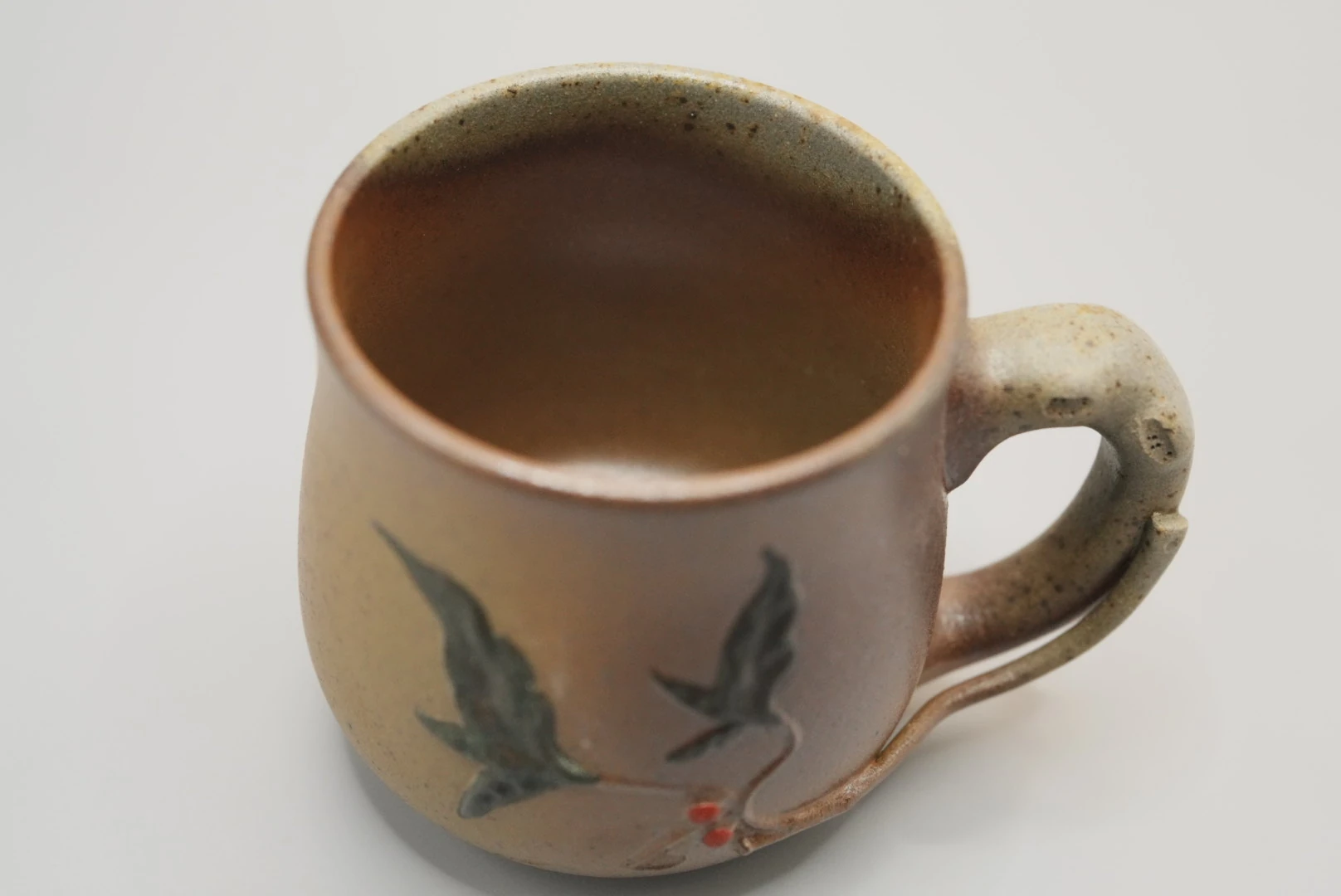
A closer view of Among the Branches brings the rim, interior and handle into focus, along with the fine changes across its earth-toned surface. A group photograph introduces the overall character; a detail view helps you notice the smaller features.
Price comparisons also benefit from looking closely at the proposed selection. Is the quote for an individual piece or a group? What is included, which finish is proposed, and how are samples, packing and supply arranged? The same material name does not mean two offers contain the same things.
Choose around where and how the piece will be used
Focused tea tasting and a place for the vessel
Set out a zisha pot and a few cups. Brew the same leaves more than once and notice how the tea changes. Pay attention to how the pot feels and pours. It is a natural direction for those drawn to traditional tea practice. Simple contemporary furniture can provide an equally welcoming setting.
A tea set does not need to use one material throughout. A zisha pot with glazed tasting cups, or zisha cups with another brewing vessel, can suit your habits. Threefold Harmony and Among the Branches help you choose cup texture and table style; the clay-pairing discussion above concerns brewing pots and should not be read as a claim about the pictured cups' brewing effects.
Everyday tea, shared tables and cleaning
For frequent changes of tea, shared use or colour coordinated with a contemporary table, explore the shapes and finishes of our glazed ceramic cups. With samples, check the rim, handling and stability, then confirm care for that design. Traditional or modern character comes from the complete setting; either range can belong in daily life.
After using unglazed zisha, remove leaves promptly, rinse thoroughly with clean water and let the pot dry with its lid off before storing. Avoid routine soaking in scented cleaners. MudandLeaves' teapot care guidance also advises against boiling the whole pot. Leaving tea overnight is not a necessary part of developing a patina.
Clean glazed pieces promptly too. Confirm whether detergent, a dishwasher or heating equipment is suitable for the particular product; glaze alone does not grant every care permission. Shared commercial use also needs a workable cleaning process that meets local hygiene requirements. For combining pots and cups, see our Yixing and teaware selection journal.
Shelves, hotels and commercial interiors
For display, start with scale and viewing distance. Fine texture may be attractive close up, while an object on a reception desk or distant shelf also needs a clear silhouette. Place a sample beside the wood, fabric, stone and other objects in the intended setting, and compare colour, outline and space around it.
A vase needs a use brief too. Dry stems and fresh flowers may call for different properties. Mention the intended contents so a suitable design can be discussed. If you need water use, confirm it for the chosen model rather than relying on outer dimensions or a glazed appearance. Our vase collection offers forms to start with.
Retail displays and gifts
A retail range does not need every object to repeat the same decoration. Earth tones and clear forms can offer one direction; soft colours and changing rims can offer another. Give each group a clear place on the shelf, with use and care information that customers can understand.
For a gift, consider the recipient's habits. Would a cup for regular use, a tea group or a display vase be most welcome? Then discuss what each gift includes, how it will be presented and how it will travel. Presentation boxes and transport protection have different jobs; both can form part of the buying conversation.
More zisha designs: beyond one traditional look
Threefold Harmony T01: earth colour and three distinct forms
Threefold Harmony (T01) is our three-piece zisha group, bringing together a round bowl, a tall cup and a small cup. A pale earth tone connects the forms, while fine surface texture and changing heights give the group character without strong colour contrasts.
Look at how the pieces relate: round and straight, tall and low, full and tapered. Then imagine the group on your tea table or shop display, and consider which relationships you want to keep or complement with other objects.
Petal Ripples T06: pink and white glaze with soft rims
Petal Ripples (T06) is our ceramic cup group. Pink and white glaze sit on softly sculpted forms, with highlights following the contours inside and outside the cups.
If you prefer a gentle colour palette, use this group as a starting point. Compare samples beside the tabletop, fabric or gift-box materials you have in mind, and see how the finish appears under your lighting.
Among the Branches T04: earth colour, botanical details and a handle
Among the Branches (T04) is our zisha cup group. Earth colours provide the backdrop for leaves and fruit, with the handle forming part of the silhouette. It is a direction to explore if you enjoy deeper earth tones and botanical decoration together.
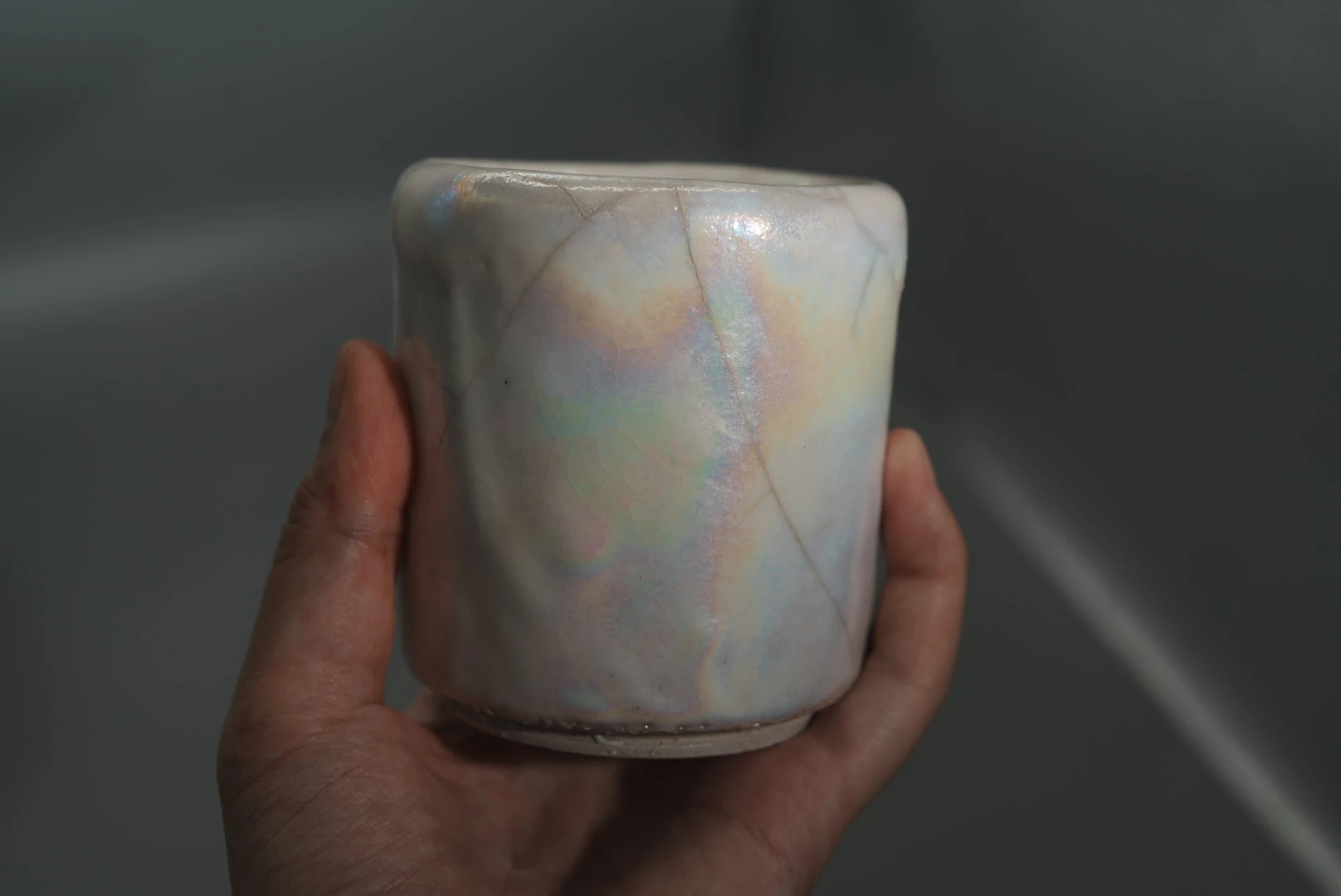
The hand-held photographs below show two different surface expressions. Among the Branches combines earth colour and leaf-and-fruit details; Shimmer brings a straight outline and pearlescent glaze. The hand-held view gives a sense of scale and handle position. Grip, weight and capacity can then be explored with a sample.
Material and finish allow more than one combination
Our zisha range also includes Botanical Quartet (T02), Hidden Bloom (T03) and Summer Melon (T05). Shimmer (T07) is another choice in our ceramic range. Each offers a different relationship between colour, motif and outline.
Summer Melon's pale green glaze and melon details show how glaze can be part of a zisha design. Threefold Harmony, Among the Branches and Petal Ripples therefore offer specific examples to compare, rather than a visual rule for every zisha or ceramic object.
Explore more zisha designs on our product page. Earth tones, botanical details and playful colours offer different ways to enjoy the material in a contemporary setting.
A preferred surface is enough to start a selection
Keep the name or code of a piece you like, and tell us what appeals to you: an earth tone, a rim, a glaze effect or the whole group. One enquiry can cover several interests. There is no need to finalise a full buying list or a quantity for each design before getting in touch.
| What appeals to you | A starting message | What we can discuss next |
|---|---|---|
| Threefold Harmony's colour and texture | “I like Threefold Harmony T01. What related zisha pieces would you suggest?” | Available pieces, pairing, intended use and care. |
| Petal Ripples' pink-and-white palette | “I like Petal Ripples T06 for my shop or gift selection.” | Samples, group contents, pricing and supply arrangements. |
| Shimmer's surface changes | “I like how Shimmer T07 catches the light.” | Appearance, care and product details. |
| A coordinated interior palette | “I would like to choose vases around these colours.” | Vase forms, glaze options, samples and the project brief. |
We offer custom glaze colours for vases. Share a preferred vase, colour reference or photograph of the space, and we can discuss a glaze direction. Samples, pricing and timing are confirmed for the request. Our retail, interiors and gifting guide provides more ideas for a broader selection.
For custom finishes on the blank forms we offer, we complete the glazing and firing and supply finished pieces. Available forms, finishes, samples and order arrangements develop through the conversation.
Looking for zisha or ceramic teaware?
Share a piece or product code you like. We can recommend more designs and discuss quantities with you.
Discuss teaware selectionQuestions before you choose
Can glaze alone distinguish zisha from ceramic products?
No. Summer Melon T05 is zisha teaware with a glazed finish. Material and surface treatment should be considered separately; shine or its absence is not enough to identify a material.
Does an irregular form or textured surface show how a piece was made?
These features help you understand its style, but do not describe the whole making process. If forming, decoration or finishing matters to your selection, ask about the particular design.
Is zisha always purple, and ceramic ware always colourful?
No. Threefold Harmony has a pale earth tone, while Summer Melon carries pale green glaze. In our ceramic range, Petal Ripples pairs pink and white, and Shimmer offers a different play of light. Start with the actual piece rather than a colour stereotype.
Can I enquire before deciding on quantities?
Yes. A favourite name, code or style is enough to begin. One message can cover several interests, with quantities, combinations and delivery arrangements discussed later. Get in touch and start with the piece that caught your eye.
Let the piece and its setting work together
For a pale earth tone, fine texture and a group of distinct forms, start with Threefold Harmony. For pink and white glaze with soft contours, start with Petal Ripples. They offer different directions, rather than a ranking of materials.
Browse the collections, note the details you enjoy, and bring use, pairing and daily care into the decision. A selection can develop through samples and conversation; there is no need to settle everything at once.
About this article
AM Clay Studio wrote this guide and photographed the pieces shown, including Threefold Harmony, Among the Branches, Petal Ripples and Shimmer. The photographs illustrate form and finish. The cited research provides context on pore structure, and the brewing suggestions help you compare a specific tea and vessel.
Further reading
- Philadelphia Museum of Art: Yixing teapot
See an example of the earth tones and surface character of Yixing ware. - Smithsonian National Museum of Asian Art: Glaze
Learn what a glaze is and how composition and firing affect its colour. - Yixing zisha selection guide
Compare teapot form, capacity and everyday use.